
- roof-maxx
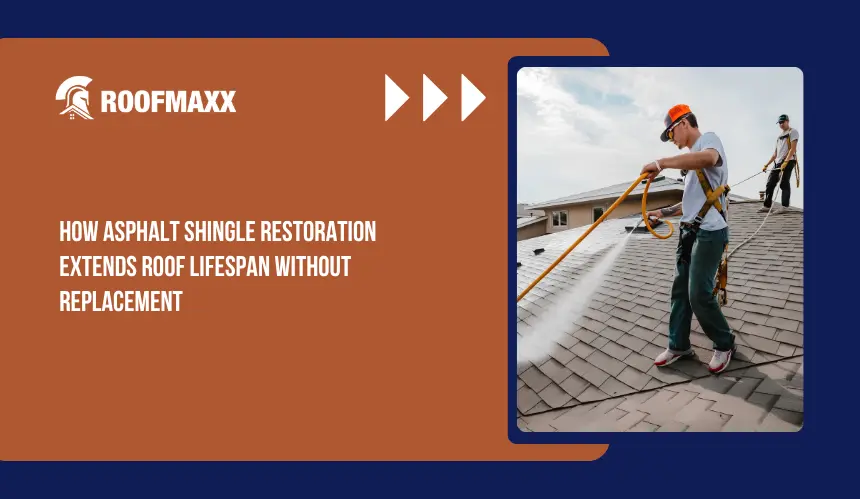
Roof replacement is often seen as the only solution once shingles begin to show signs of aging. Cracking, fading, and granule loss can quickly create the impression that the entire system has reached the end of its life. This assumption leads many property owners toward costly replacements, even when the underlying structure remains intact. In reality, most roofing systems undergo a gradual aging process, during which early-stage deterioration can still be managed effectively.
Understanding how asphalt shingle restoration works provides a more practical alternative. Instead of replacing the entire roof, this approach focuses on restoring the condition of existing shingles by addressing the root cause of aging. By targeting oil loss, flexibility issues, and surface degradation, restoration helps extend usability, maintain structural performance, and reduce long-term costs.
What Causes Asphalt Shingles to Deteriorate Over Time?
Asphalt shingles are designed to withstand environmental exposure, but continuous stress eventually leads to gradual degradation. Identifying these causes helps explain why restoration becomes necessary before replacement.
How Does UV Exposure Affect Shingle Performance?
Prolonged exposure to sunlight accelerates oxidation, which breaks down the oils embedded within shingles. This process causes the material to dry out, reducing flexibility and making it more susceptible to cracking and surface damage.
What Role Does Thermal Expansion Play in Roof Aging?
Temperature fluctuations cause shingles to expand during heat and contract during cooler periods. Over time, this repeated movement weakens the material, especially when flexibility has already been compromised due to aging.
How Asphalt Shingle Restoration Works to Extend Roof Life
Restoration focuses on reversing early-stage deterioration rather than replacing materials. It addresses the underlying causes of aging to improve performance and durability.
How Does Oil Replenishment Restore Flexibility?
Specialized bio-based treatments penetrate asphalt shingles and replenish lost oils. This process restores flexibility, allowing shingles to adapt to environmental stress without cracking. Improved elasticity reduces the risk of damage and enhances overall performance.
Why Restored Flexibility Improves Durability
Flexible shingles can better withstand wind, temperature changes, and physical impact. By restoring this property, asphalt shingle restoration strengthens the roof’s ability to resist common forms of wear and tear.
What Signs Indicate Restoration Can Extend Roof Lifespan?
Recognizing early warning signs is essential for determining whether restoration is a viable solution. These indicators typically appear before structural damage occurs.
How Does Granule Loss Signal Early Deterioration?
Granules protect shingles from UV exposure and external wear. When they begin to accumulate in gutters, it indicates that the protective layer is weakening. Addressing this issue early helps prevent further degradation.
What Do Brittle or Cracking Shingles Reveal?
Brittle shingles are a clear sign of oil loss and reduced flexibility. Cracks form when the material can no longer adapt to temperature changes, making restoration an effective solution if structural integrity remains intact.
Why Surface Discoloration Should Be Evaluated
Fading and uneven coloration often reflect prolonged UV exposure. While this may appear cosmetic, it indicates deeper material changes that can impact roof performance over time.
How Environmental Conditions Influence Roof Longevity
Environmental exposure significantly affects how quickly shingles age. Understanding these factors helps determine when restoration is needed.
How Does Climate Impact Shingle Performance?
High temperatures, sunlight, and seasonal weather changes accelerate oxidation and material breakdown. These conditions increase the rate at which shingles lose their protective properties.
Why Local Weather Patterns Matter for Maintenance
In regions such as Wichita, KS, fluctuating temperatures, strong sunlight, and periodic storms accelerate roof aging. These environmental factors highlight the importance of timely restoration to maintain performance and prevent premature replacement.
When Is Asphalt Shingle Restoration a Better Option Than Replacement?
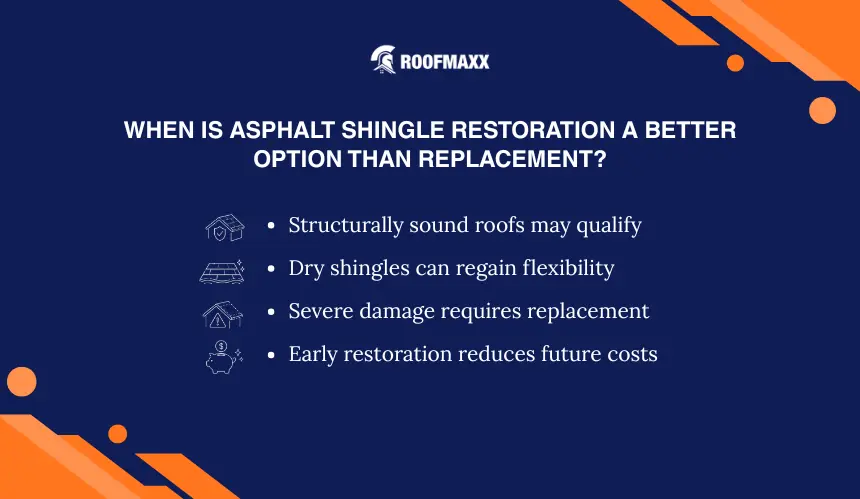
Not every aging roof requires a full replacement. Restoration offers a practical alternative when the structure remains intact, but surface materials show signs of wear.
What Makes a Roof Suitable for Restoration?
Roofs that are generally between five and fifteen years old and still structurally sound are strong candidates. If shingles are intact but beginning to dry out or lose granules, restoration can improve performance without extensive intervention.
When Replacement Becomes Necessary Instead
Replacement is typically required when there is severe structural damage, widespread leaks, or compromised underlayment. Restoration is most effective before these conditions develop, reinforcing the value of early action.
How Restoration Reduces Long-Term Roofing Costs
One of the most significant advantages of restoration is its ability to reduce expenses associated with premature replacement.
Why Restoration Is More Cost-Efficient Than Replacement
By extending the life of existing shingles, restoration eliminates the need for immediate replacement. This reduces material costs, labor expenses, and the disruption associated with large-scale roofing projects.
How Preventive Maintenance Minimizes Future Repairs
Addressing early signs of deterioration prevents minor issues from developing into major problems. Regular evaluation and timely treatment help maintain roof performance and reduce the likelihood of costly repairs.
How to Evaluate Your Roof Before Considering Replacement
A proactive approach to roof evaluation helps determine whether restoration is a viable solution. Early detection ensures better outcomes and improved long-term performance.
What Should Be Included in a Roof Inspection?
A thorough inspection should focus on:
- granule accumulation in gutters
- visible cracks or curling shingles
- signs of fading or discoloration
- minor leaks or moisture spots
- overall surface condition
Why Early Assessment Supports Better Decisions
Identifying issues early enables timely intervention, which can significantly extend the roof’s lifespan. Preventive strategies help maintain efficiency and avoid unnecessary replacement costs.
Preserving Roof Performance Without Premature Replacement
Extending the life of a roof does not always require complete replacement. By understanding how asphalt shingles age and recognizing early warning signs, it becomes possible to take a more strategic approach. Asphalt shingle restoration offers a practical solution that restores flexibility, improves durability, and supports long-term performance. This method not only reduces costs but also ensures that roofing systems remain reliable and efficient for years to come.
Frequently Asked Questions
Restoration extends lifespan by replenishing lost oils and restoring flexibility in shingles. This improves their ability to withstand environmental stress, reducing the risk of cracking and prolonging overall performance.
The results of restoration depend on environmental exposure and maintenance practices. When applied at the right stage, the benefits can last several years and may be extended further with periodic treatments.
Restoration can delay replacement when the roof is structurally sound but showing early signs of aging. However, it is not suitable for roofs with severe damage or compromised structural components.
This process is most effective for aging asphalt shingle roofs that are still intact. Roofs with extensive damage or different material types may require alternative solutions.
Roof inspections should be conducted at least once a year, and after major weather events. Regular evaluation helps identify issues early and supports timely maintenance decisions.