
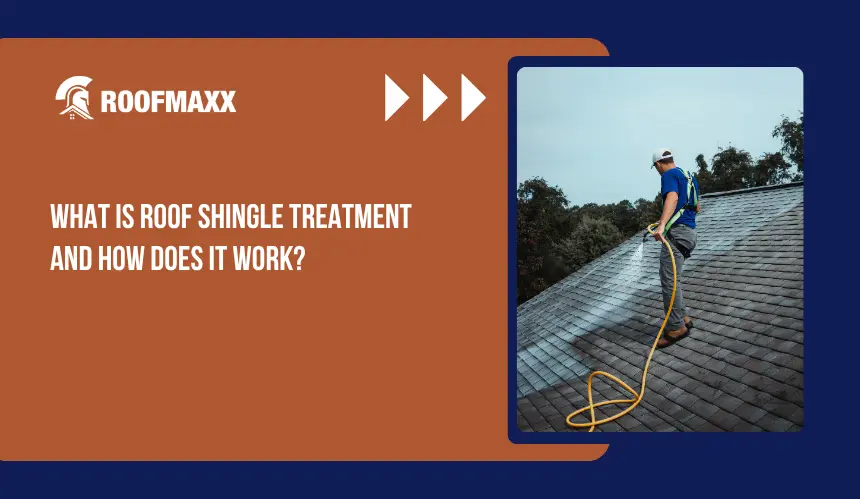
- roof-maxx
Roof problems rarely appear overnight, yet they often go unnoticed until repairs become unavoidable and expensive. Many homeowners only react when shingles start to crack, leaks begin to form, or energy costs rise unexpectedly.
By that stage, the damage has already progressed beyond simple fixes, leaving replacement as the only perceived option. However, most roofing issues begin with subtle changes like dryness, fading, and reduced flexibility, signs that are easy to overlook but critical to address early.
Understanding these early warning signals opens the door to a more practical solution. Instead of waiting for visible failure, roof shingle treatment targets the root cause of aging by restoring lost oils and improving shingle performance.
This approach not only helps extend the roof’s life but also reduces long-term costs and prevents minor deterioration from escalating into major structural problems.
How Does Roof Shingle Treatment Work?
Roof shingle treatment focuses on reversing the effects of aging rather than replacing materials entirely. The process targets the root cause of deterioration: the loss of natural oils in asphalt shingles.
What Happens to Asphalt Shingles Over Time?
As shingles age, continuous exposure to ultraviolet radiation and temperature fluctuations causes oxidation. This process dries out the internal oils, making shingles rigid and less able to adapt to environmental stress. As flexibility decreases, the material becomes more prone to cracking and surface damage.
How Treatment Restores Shingle Flexibility
Specialized bio-based solutions are applied to the roof surface, allowing the treatment to penetrate deep into the shingles. This replenishes lost oils and improves flexibility, enabling shingles to expand and contract more effectively. As a result, the roof regains resilience against weather-related stress.
What Are the Key Signs That Indicate the Need for Treatment?
Identifying early warning signs is essential for determining when intervention is possible. These indicators typically appear before major damage occurs, making them critical for timely action.
How Does Granule Loss Signal Surface Deterioration?
Granules serve as a protective layer against UV exposure and physical wear. When they begin to collect in gutters or wash away during rain, it indicates that shingles are losing their protective coating. This accelerates aging and reduces the roof’s ability to withstand environmental conditions.
What Do Cracked or Brittle Shingles Reveal?
Brittle shingles are a clear sign that flexibility has been lost. When shingles crack under pressure or show visible splits, it reflects advanced drying caused by prolonged exposure. At this stage, treatment can help restore elasticity if structural integrity is still intact.
Why Fading and Discoloration Matter
Changes in color often indicate UV damage and oxidation. While this may seem like a cosmetic issue, it reflects deeper material degradation that can impact performance. Addressing these signs early helps prevent further deterioration.
How Environmental Exposure Affects Shingle Performance
Environmental conditions play a major role in how quickly shingles age. Factors such as sunlight, temperature changes, and weather events all contribute to material breakdown over time.
What Role Does UV Radiation Play in Roof Aging?
Continuous exposure to sunlight accelerates oxidation, which is the primary cause of oil loss in shingles. This weakens their structure and reduces their ability to protect the roof effectively.
How Do Temperature Fluctuations Impact Shingles?
Daily and seasonal temperature changes cause repeated expansion and contraction. When shingles lose flexibility, they cannot adapt to these movements, leading to cracks and surface damage.
How Regional Weather Conditions Influence Roof Longevity
In areas like Wichita, KS, varying temperatures, strong sunlight, and seasonal storms can accelerate the aging process. These conditions increase the importance of early detection and preventive maintenance to maintain roof performance.
When Is Roof Shingle Treatment a Suitable Solution?
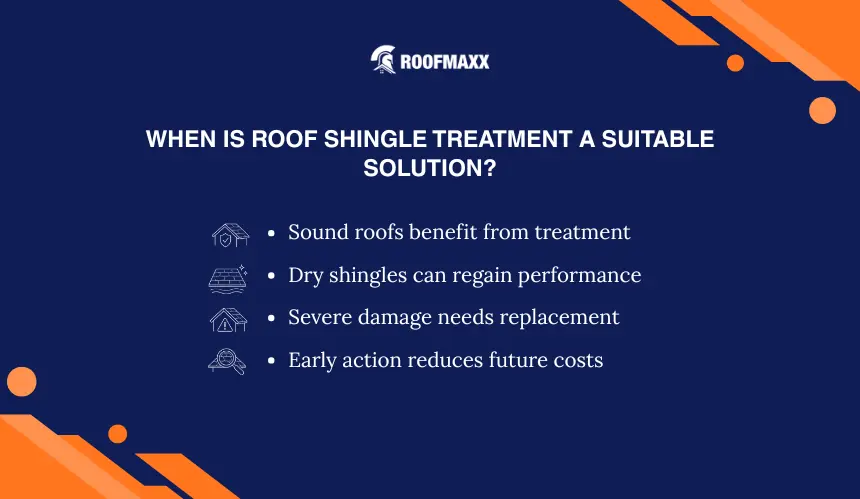
Not every roof requires replacement when signs of aging appear. In many cases, treatment offers a practical and cost-effective alternative.
What Makes a Roof a Good Candidate for Treatment?
Roofs that are typically between five and fifteen years old and remain structurally sound are ideal candidates. If shingles are intact but show signs of drying or granule loss, treatment can restore performance without major intervention.
When Replacement Becomes Necessary
Severe damage, including widespread leaks, missing shingles, or compromised underlayment, often requires replacement. Treatment is most effective before these conditions develop, reinforcing the value of early action.
What Happens During the Treatment Process?
The process is designed to improve the condition of existing shingles rather than replace them. It focuses on restoring material properties that have diminished over time.
How Bio-Based Solutions Penetrate Shingles
The treatment is applied evenly across the roof surface, allowing it to absorb into the shingles. This process replenishes essential oils and improves flexibility, helping shingles regain their original performance characteristics.
Why Preventive Maintenance Extends Roof Lifespan
Applying treatment as part of a maintenance strategy helps delay the need for replacement. Regular evaluation and timely intervention ensure that minor issues are addressed before they evolve into more significant problems.
How to Evaluate Your Roof Before It’s Too Late
Routine inspection plays a key role in identifying early signs of deterioration and determining the appropriate course of action.
What Should You Look for During a Roof Inspection?
A basic inspection should focus on:
- granule accumulation in gutters
- visible cracks or curling shingles
- uneven coloration or fading
- minor leaks or moisture spots
- overall surface consistency
Why Early Detection Is Essential
Addressing issues early helps prevent further damage and reduces long-term costs. A proactive approach ensures that the roof continues to perform efficiently while minimizing the need for extensive repairs or replacement.
Frequently Asked Questions
Shingles typically require treatment when they begin to lose flexibility, show signs of granule loss, or develop minor cracks. These indicators suggest early-stage deterioration that can often be addressed before structural damage occurs.
The effectiveness of treatment depends on environmental conditions and maintenance practices. In many cases, the benefits can last several years, especially when the roof is treated at the right stage of its lifecycle.
Treatment can help reduce minor leaks caused by surface-level deterioration. However, it is not designed to repair structural issues or damage related to underlying components such as flashing or decking.
This process is most effective for aging asphalt shingle roofs that are still structurally sound. Roofs with severe damage or different material types may require alternative solutions.
Regular inspections should be conducted at least once or twice a year, along with additional checks after severe weather events. Consistent monitoring helps identify early warning signs and ensures timely intervention.