
- roof-maxx
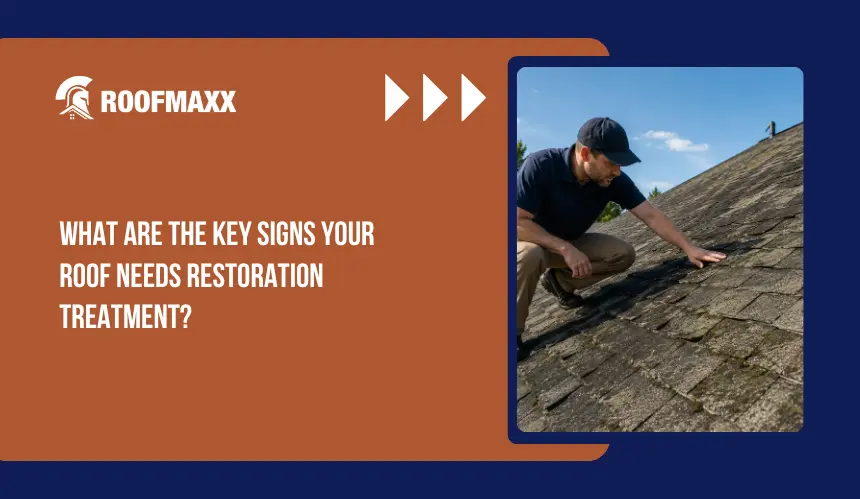
A roof typically needs restoration when shingles lose flexibility, granules begin to shed, and visible signs of aging, such as cracking or curling, appear. These indicators point to moisture loss and UV damage, which can often be reversed before structural failure develops.
Roof deterioration rarely starts with obvious leaks or visible damage. Instead, it develops gradually through exposure to sunlight, temperature fluctuations, and environmental stress. Many homeowners only consider action when problems become severe, assuming replacement is the only solution.
However, recognizing early warning signs allows for a more strategic approach. Understanding how shingles age, how performance declines, and when intervention is possible helps extend roof lifespan while avoiding unnecessary expenses.
How Does Roof Aging Lead to the Need for Restoration Treatment?
Roof systems naturally degrade over time due to constant exposure to environmental conditions. Asphalt shingles, in particular, rely on embedded oils to maintain flexibility and durability. As these oils diminish, the material becomes rigid and more vulnerable to cracking, signaling the need for restoration treatment before more serious damage occurs.
What Happens to Asphalt Shingles Over Time?
Asphalt shingles undergo gradual oxidation from prolonged exposure to UV light. This process dries out the internal oils that keep shingles flexible, leading to brittleness. Over time, this change reduces the roof’s ability to withstand thermal expansion and contraction, increasing the likelihood of surface damage and performance decline.
Why Flexibility Loss Is a Critical Warning Sign
Loss of flexibility is one of the earliest indicators of roof aging. When shingles can no longer adapt to temperature changes, they begin to crack under stress. This not only weakens the protective layer but also creates pathways for moisture intrusion, accelerating deterioration across the entire roofing system.
What Visible Signs Indicate Your Roof Is Deteriorating?
Visual changes on the roof surface often provide the clearest evidence of aging. These signs typically appear before structural issues develop, making them essential for early detection and timely intervention.
How Does Granule Loss Affect Roof Performance?
Granules protect shingles from UV radiation and physical wear. When they begin to accumulate in gutters or downspouts, it indicates that the protective layer is breaking down. Without this shield, shingles become more exposed to sunlight, accelerating oxidation and reducing overall durability.
What Do Cracked or Curling Shingles Reveal?
Cracking and curling are direct results of prolonged thermal stress and material fatigue. These deformations indicate that shingles have lost their elasticity and can no longer maintain a proper seal. As a result, the roof becomes more susceptible to water penetration and wind damage.
Why Discoloration and Fading Should Not Be Ignored
Fading or uneven coloration is often a sign of UV degradation. While it may appear cosmetic at first, it reflects underlying material changes that weaken the roof’s protective capabilities. Ignoring this sign can lead to faster deterioration and reduced performance over time.
What Structural and Functional Changes Suggest Restoration Is Needed?
Beyond visible signs, certain performance-related changes can indicate that the roof is no longer functioning efficiently. These issues often develop subtly but can significantly impact long-term reliability.
How Minor Leaks and Moisture Intrusion Develop
Small leaks or damp spots may emerge when shingles begin to lose their protective integrity. At this stage, the damage is typically limited and does not yet affect the underlying structure. Addressing these issues early through restoration treatment can prevent more extensive repairs later.
Why Increased Energy Bills May Signal Roof Inefficiency
A deteriorating roof can affect indoor temperature regulation by allowing heat to penetrate more easily. This results in higher energy consumption as cooling systems work harder to maintain comfort. Reduced insulation efficiency is often linked to aging roofing materials and surface degradation.
How Environmental Factors Accelerate Roof Deterioration
Environmental exposure plays a major role in how quickly a roof ages. Factors such as sunlight, temperature changes, and weather patterns all contribute to material breakdown and performance decline.
What Role Do Sun Exposure and Temperature Fluctuations Play?
Continuous exposure to UV radiation accelerates oxidation, while daily temperature shifts cause repeated expansion and contraction. This cycle places stress on shingles, gradually weakening their structure and reducing their ability to perform effectively.
How Weather Patterns Influence Roof Lifespan
Regions that experience strong sunlight, seasonal storms, and wind-driven debris often see faster roof deterioration. In areas like Wichita, KS, fluctuating temperatures combined with storm activity can intensify shingle wear, making early detection and preventive treatment more important.
When Is Restoration Treatment a Better Option Than Replacement?
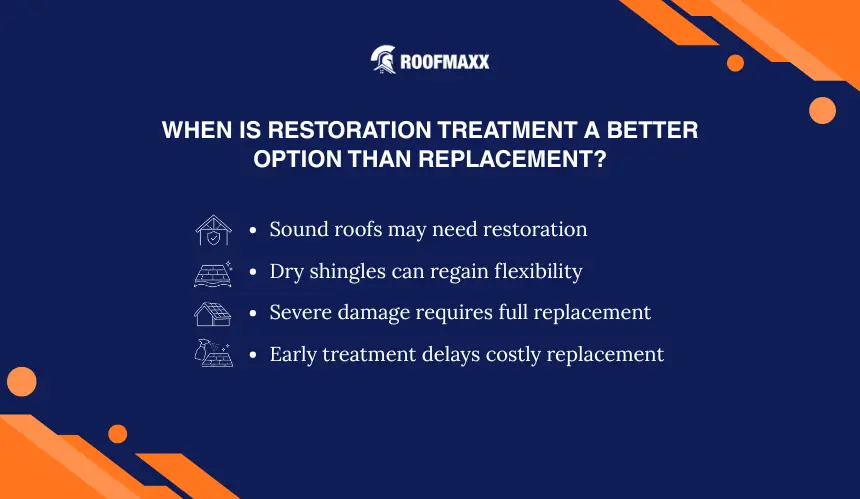
Not every aging roof requires a full replacement. In many cases, restoration treatment provides a practical solution when the structure remains intact, but surface materials show signs of wear.
What Conditions Make a Roof Ideal for Restoration?
Roofs that are between five and fifteen years old and still structurally sound are often suitable candidates. If shingles are intact but beginning to dry out or lose granules, restoration treatment can help restore flexibility and extend usability.
When Replacement Becomes Necessary Instead
Severe damage, such as widespread leaks, compromised underlayment, or structural issues, typically requires replacement. Restoration treatment is most effective before these conditions develop, emphasizing the importance of early action.
What Happens During a Roof Restoration Treatment Process?
The restoration process focuses on addressing material degradation at its source rather than replacing the entire system. This approach targets the underlying causes of aging and helps restore the roof’s original performance characteristics.
How Bio-Based Treatments Restore Shingle Flexibility
Specialized treatments penetrate shingles and replenish lost oils, improving flexibility and resilience. This process helps reduce brittleness, allowing the material to better withstand environmental stress and extend its functional lifespan.
Why Preventive Maintenance Extends Roof Lifespan
Applying restoration treatment as part of a preventive maintenance strategy can delay the need for replacement. Regular evaluation and timely intervention ensure that minor issues are addressed before they escalate into major problems.
How to Evaluate Your Roof Before It’s Too Late
Routine evaluation is essential for identifying early signs of deterioration and determining the right course of action. A proactive approach helps maintain performance while reducing long-term costs.
What Should a Basic Roof Inspection Checklist Include?
A simple inspection should focus on:
- visible granule loss in gutters
- signs of cracking or curling shingles
- discoloration or fading patterns
- minor leaks or moisture spots
- overall surface condition and uniformity
Why Early Detection Reduces Long-Term Costs
Addressing issues at an early stage prevents further damage and reduces the likelihood of expensive repairs or full replacement. Preventive strategies not only extend roof lifespan but also improve overall efficiency and reliability.
Frequently Asked Questions
A roof typically requires restoration when shingles show signs of aging, such as brittleness, granule loss, or minor cracking. These indicators suggest that the material is drying out but still structurally intact, making it suitable for treatment rather than replacement.
The longevity of restoration treatment depends on environmental conditions and maintenance practices. In many cases, results can last several years, especially when the roof is treated before significant deterioration occurs and is periodically reassessed.
Restoration treatment can help address minor leaks caused by surface-level deterioration. However, it is not designed to repair structural damage or issues related to flashing or underlayment, which may require separate solutions.
Not all roofs qualify for restoration. The process is most effective for aging asphalt shingle roofs that are still structurally sound. Severely damaged or failing roofs typically require replacement instead.
Regular inspections should be conducted at least once or twice a year, as well as after major weather events. Consistent evaluation helps identify early warning signs and ensures timely intervention to prevent problems from escalating.